Triesen
YEAR
2025
LOCATION
Triesen
INSTITUTION
Verein ELF
Infrastructure is not the scaffold of life. It is its vessel.
Atelier Gapont runs Verein ELF as a laboratory for transformative urbanism. We understand urbanism as the cultivation of public realms in which a place's future is imagined together with the people who live there. Each year focuses on a different geography and constitutes one iteration of the experiment.
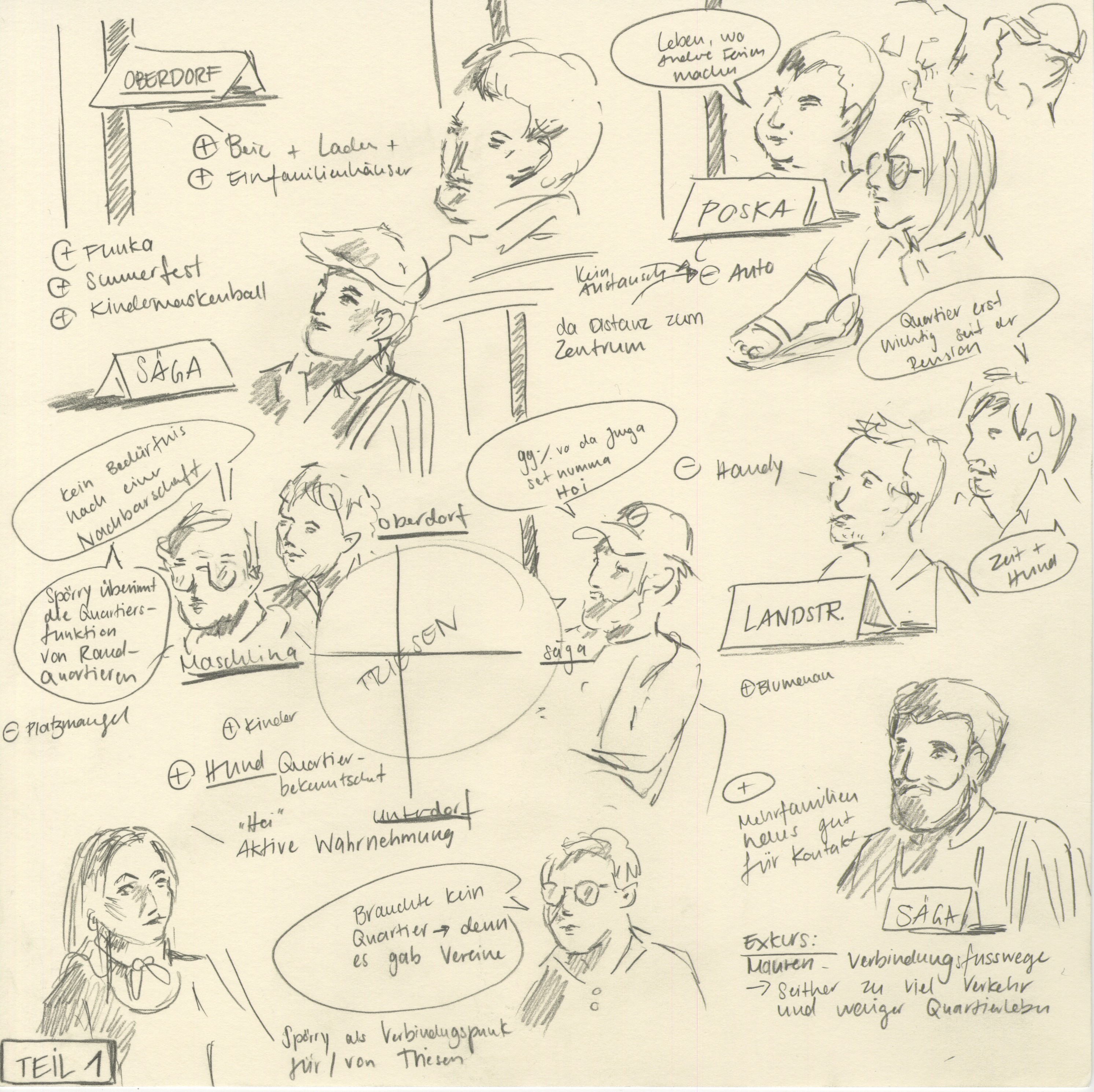
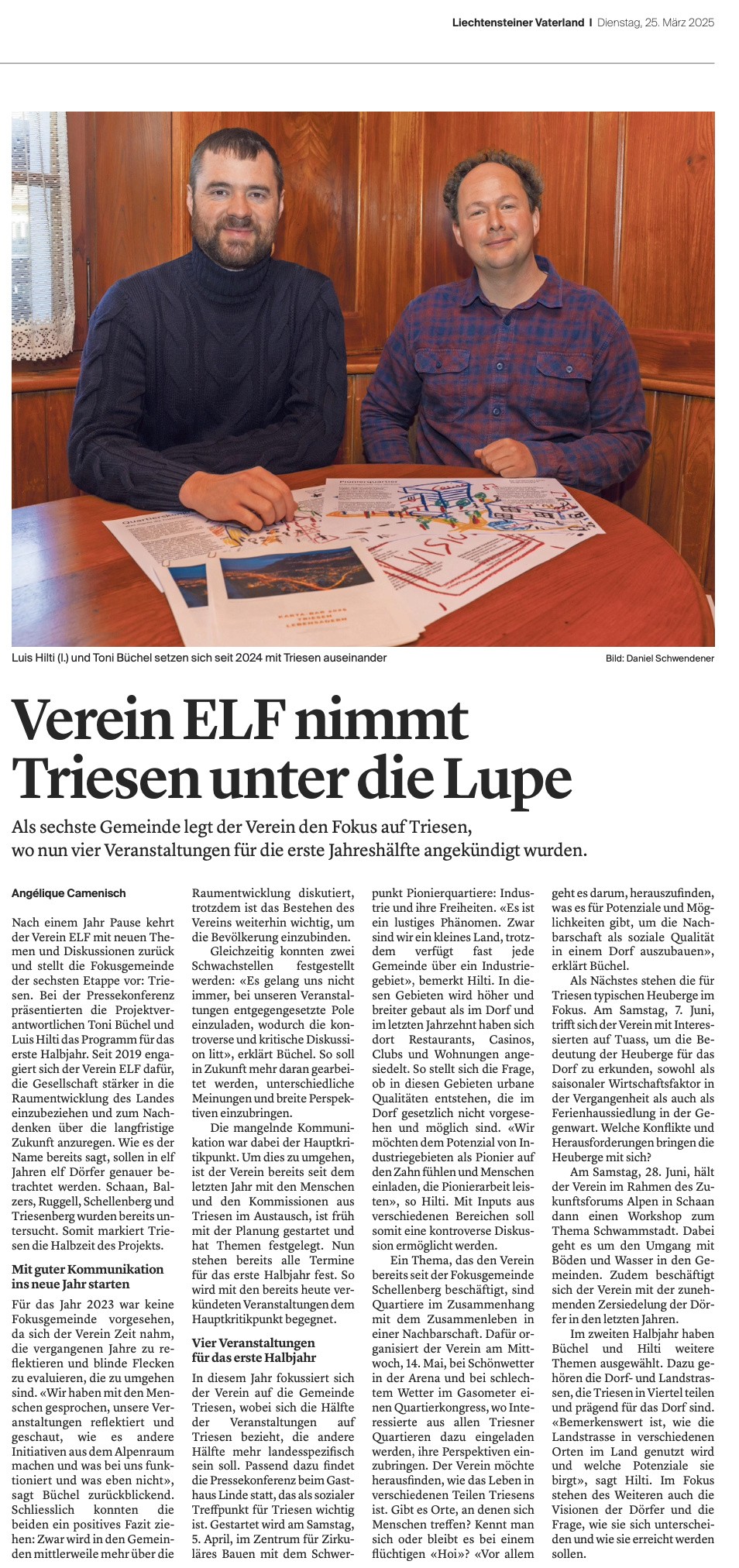
Triesen was the sixth. The village runs along the Landstrasse between Vaduz and Balzers, with its older quarters climbing the slope above and an industrial belt stretched along the valley floor.
The year's theme was Lebensadern, lifelines. We looked at the channels through which life moves in a village: paths, waters, roads, hedges, edges. Not the buildings, but the spaces between them. Where lifelines run, life follows. Where they are interrupted, it thins.
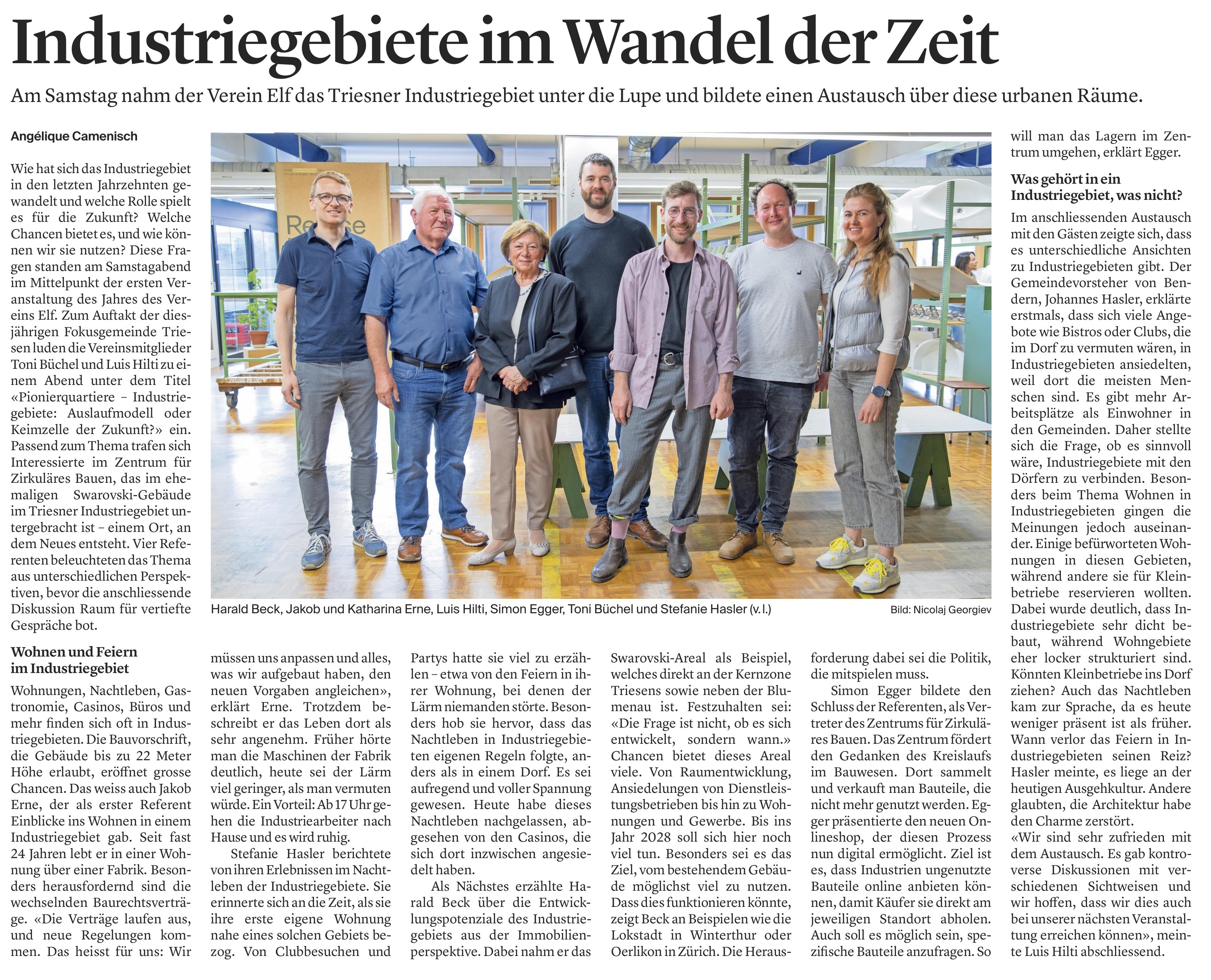
Pionierquartiere opened the year on Liechtenstein's industrial belts. Once at the back of the village, they had quietly become destinations for restaurants, leisure and mixed uses: a different kind of centre, perhaps the seed of an urbanity the villages themselves never grew.
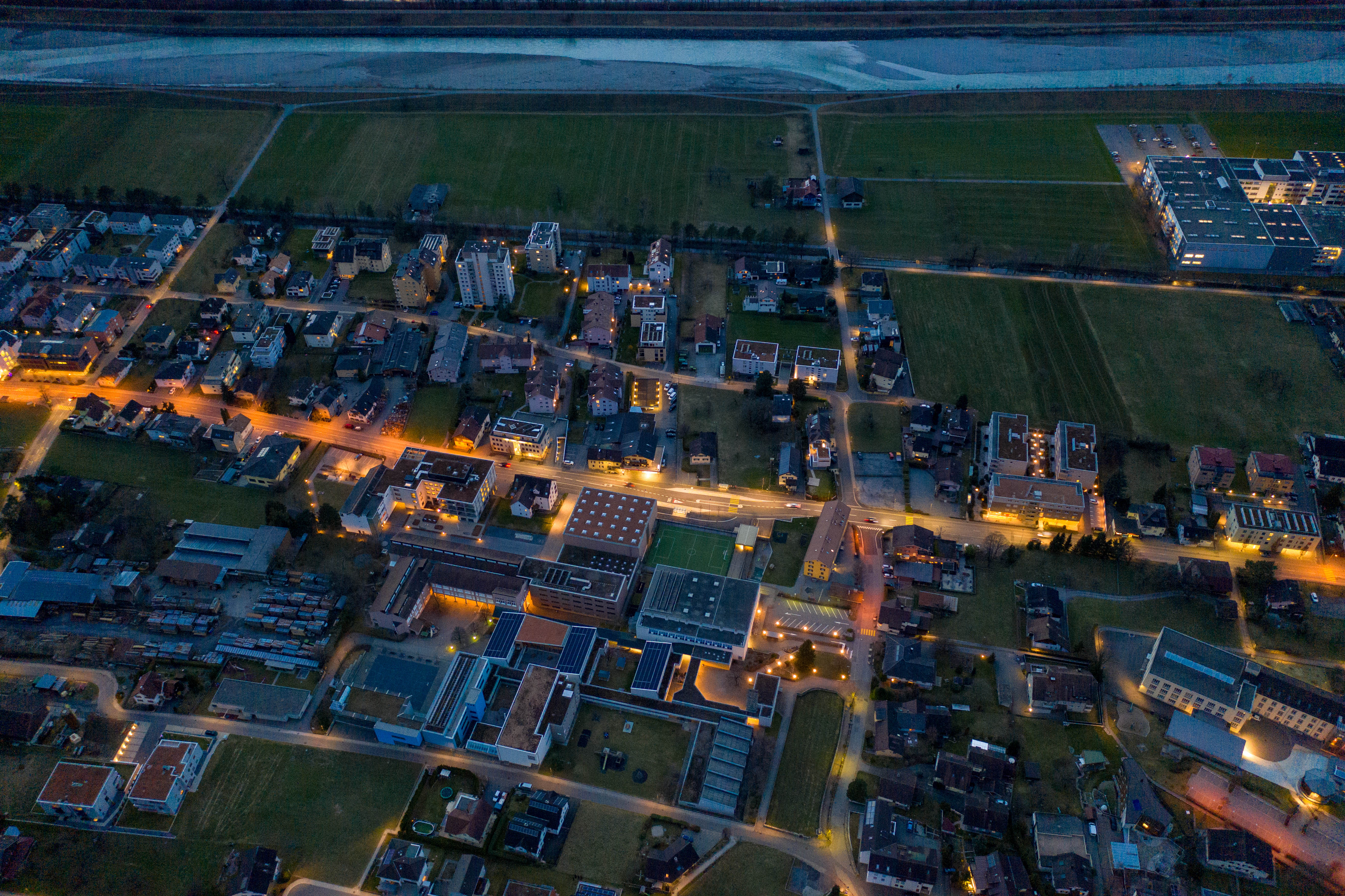
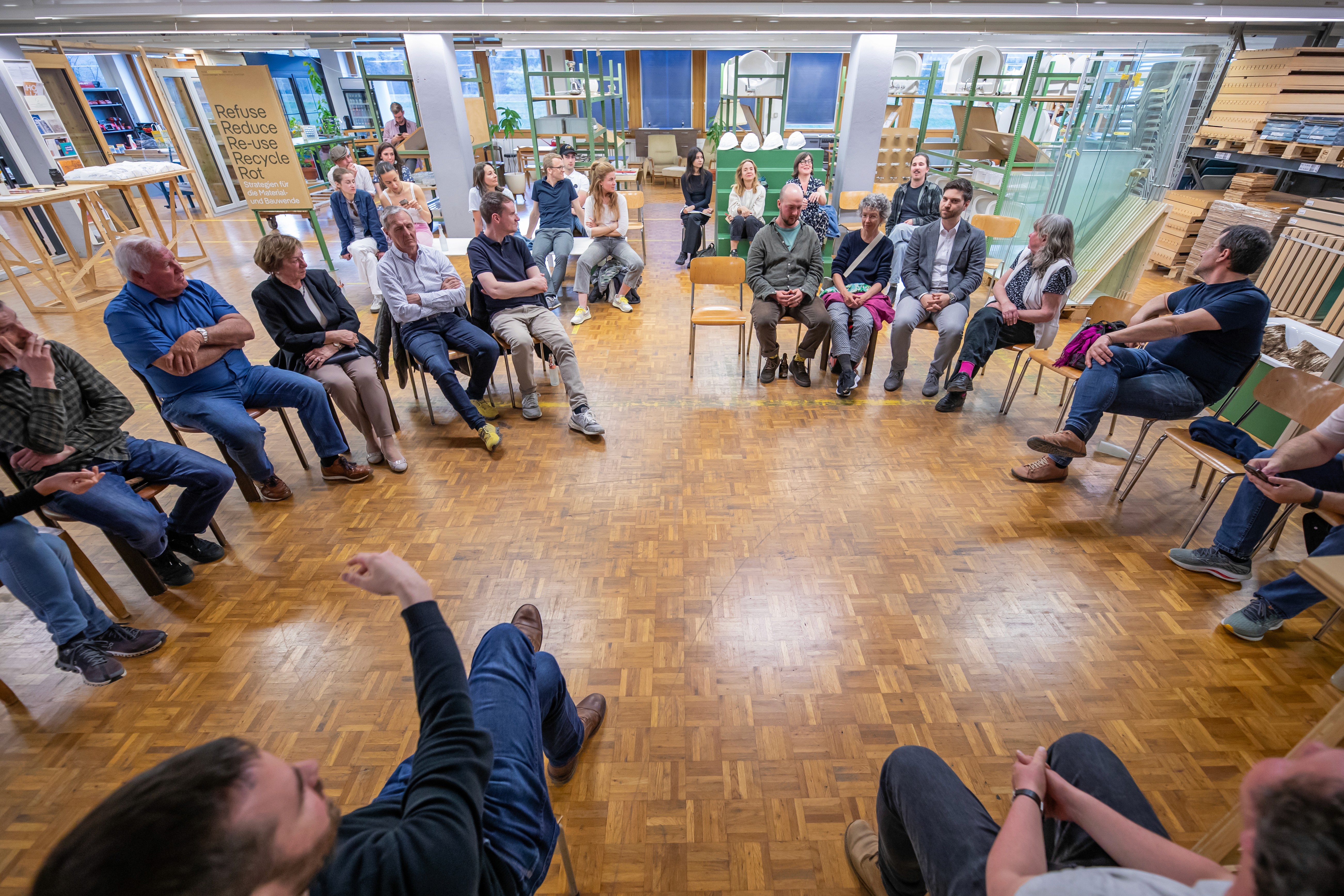
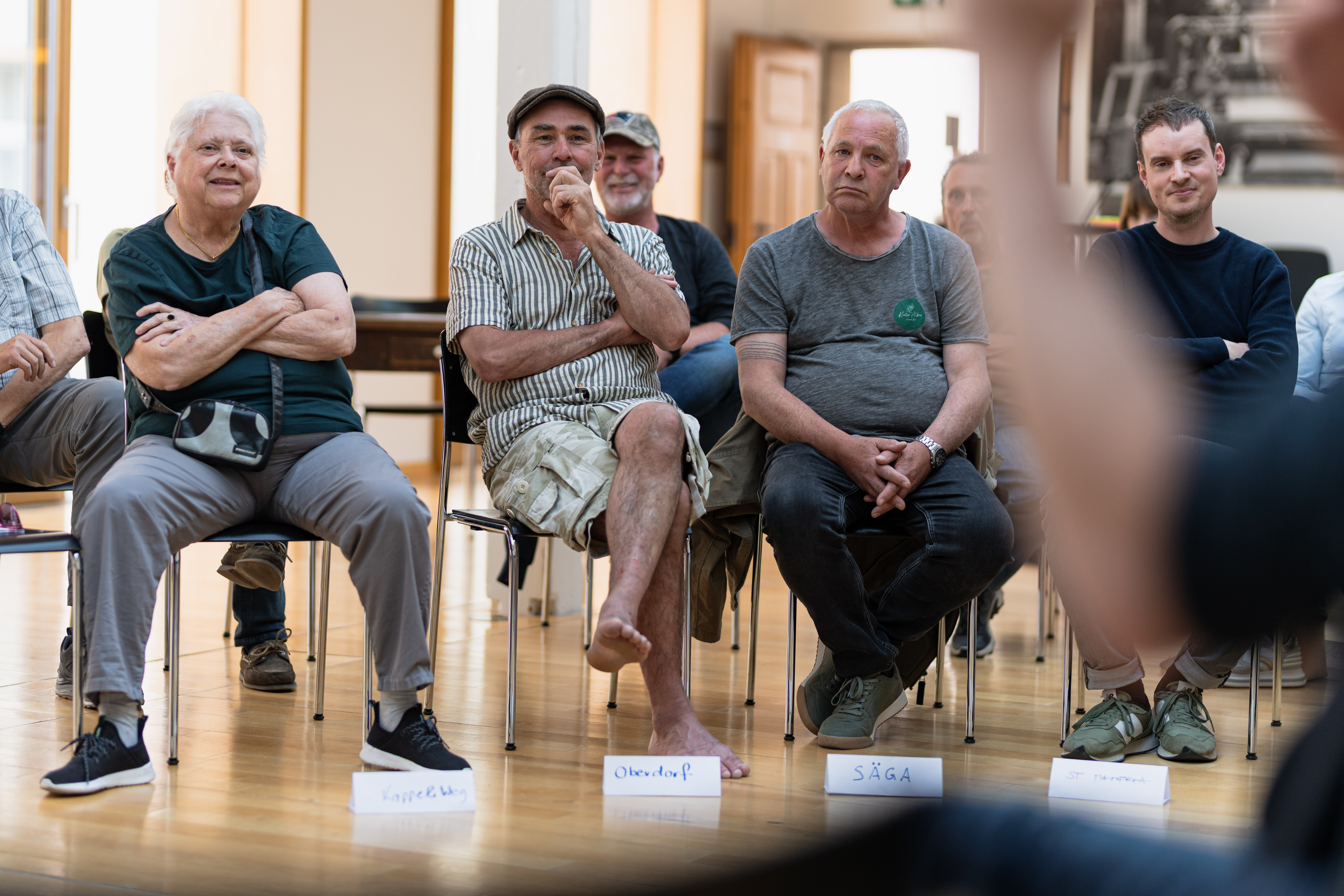
The Tresner Quartierskongress in the Kulturzentrum Gasometer gathered representatives of Triesen's quarters to ask what makes a good neighbourhood, where good ones already exist, and how others might emerge.
Strassen als Lebensräume was a guest appearance at the Kunstmuseum Liechtenstein. With the sociologist Niklaus Reichle we discussed the street as a social space rather than as mobility infrastructure.
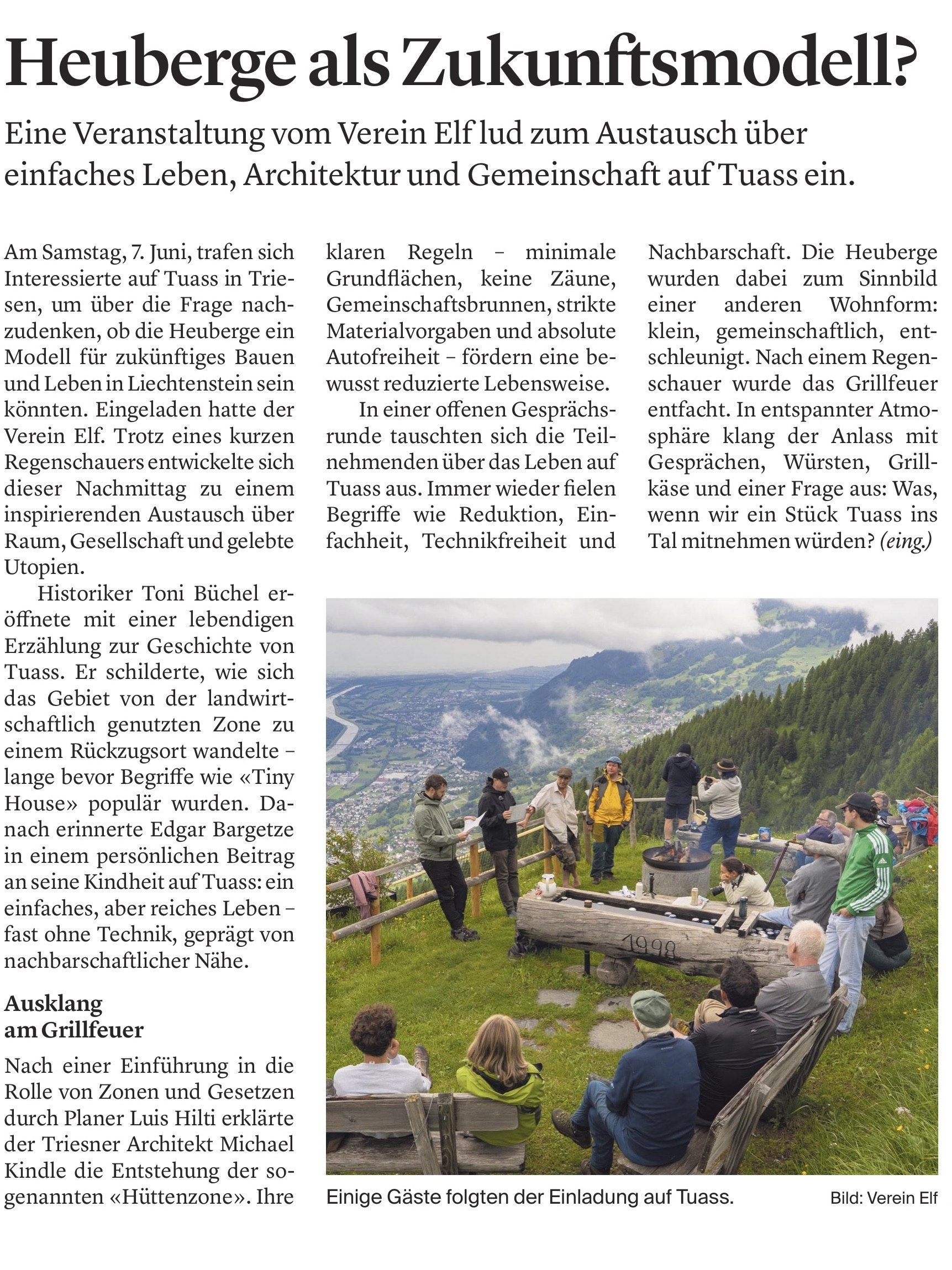
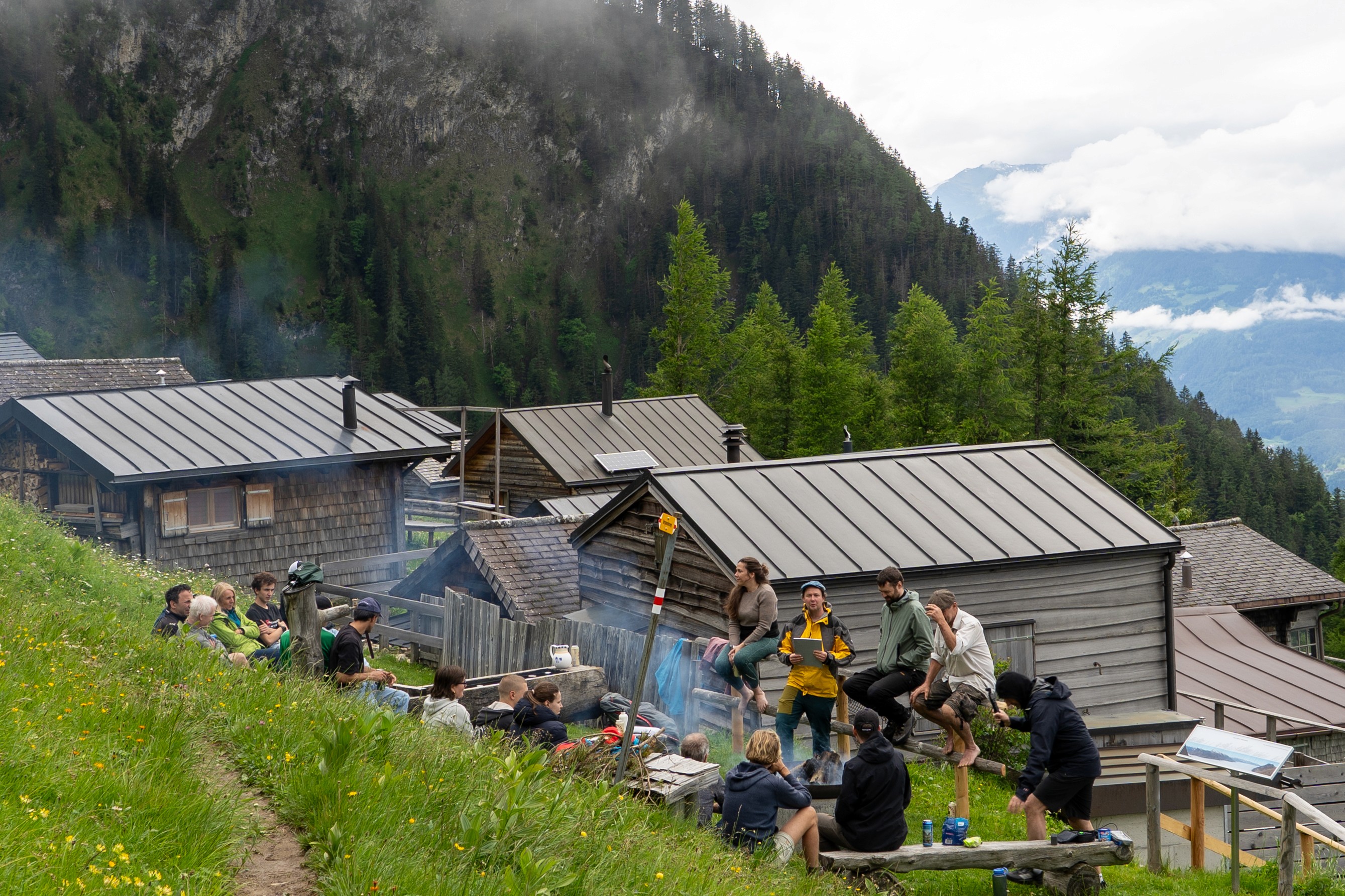
Tuas&Co moved up into the Triesner Heuberge: maximum building footprints of 25 m², only communal water and toilets, no cars, no fences. The site itself made the argument. The country's most rigid building code has produced one of its most beautiful settlements. Do we need more Tuas in the valley: should the exception become the rule?
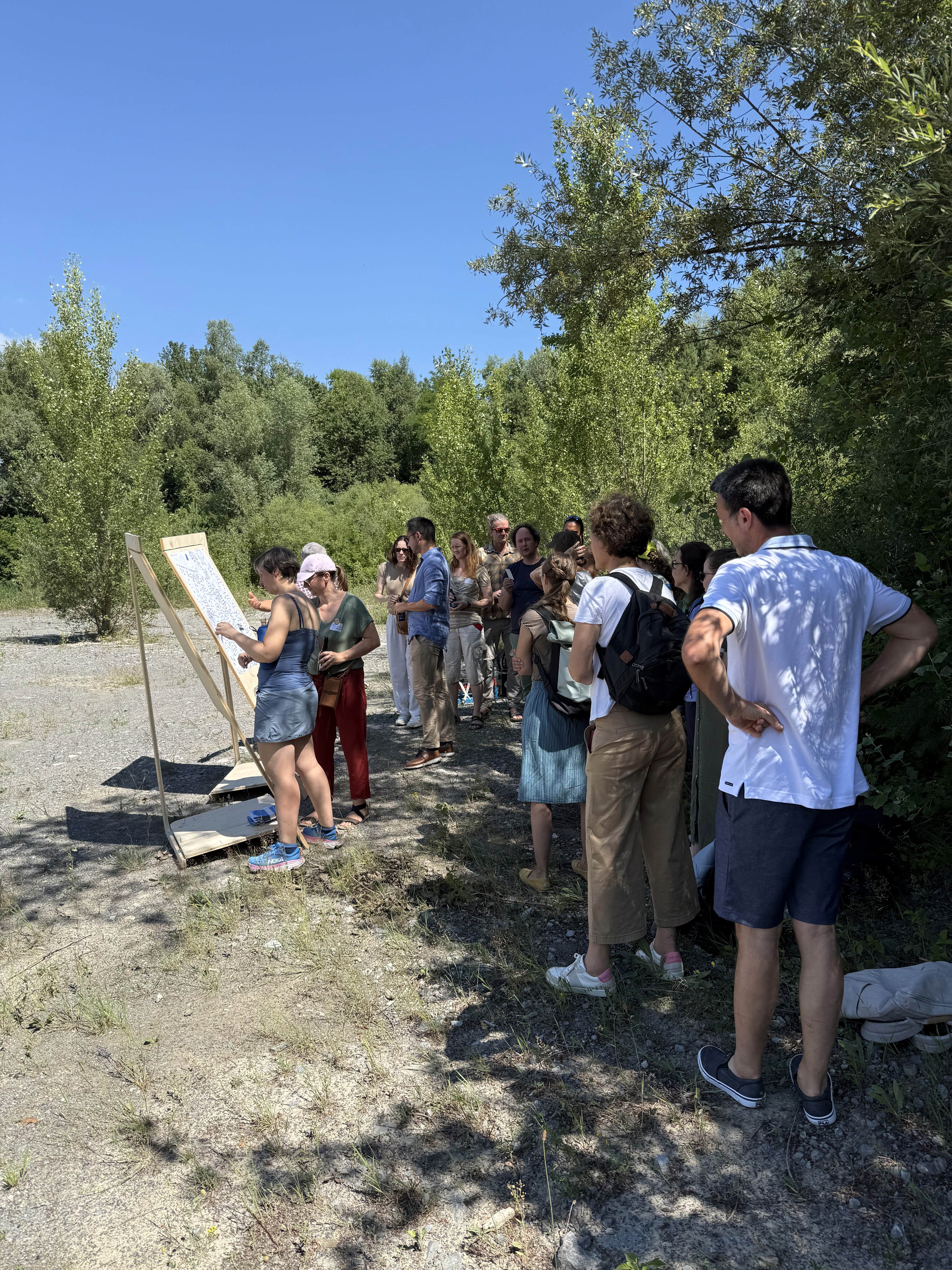
Schwammstadt returned our nomadic laboratory to Schaan, its first focus municipality. A walk and a workshop with the sponge-city expert Peter Marcus Bach traced where the village had sealed its surfaces and where it might absorb rain again.
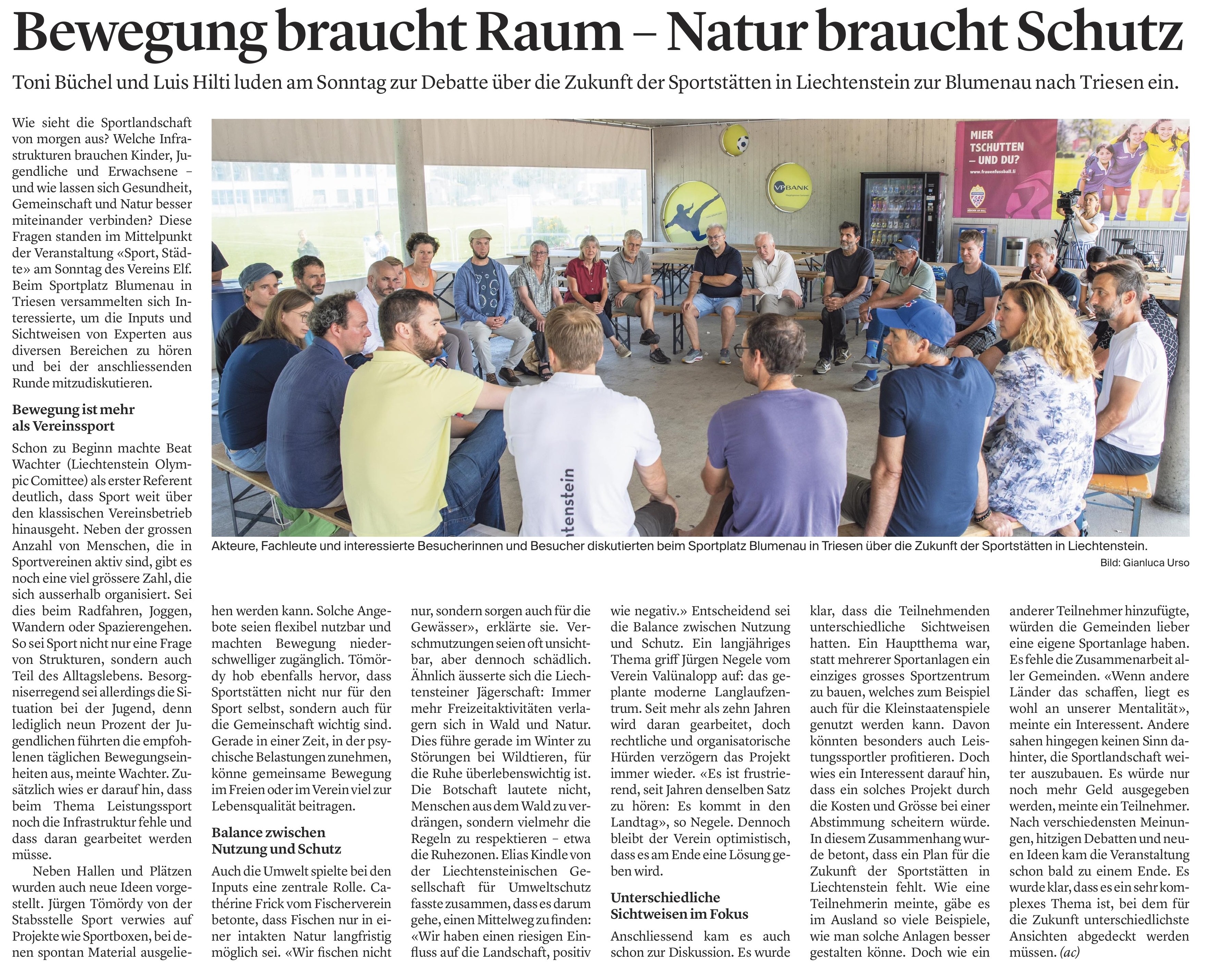
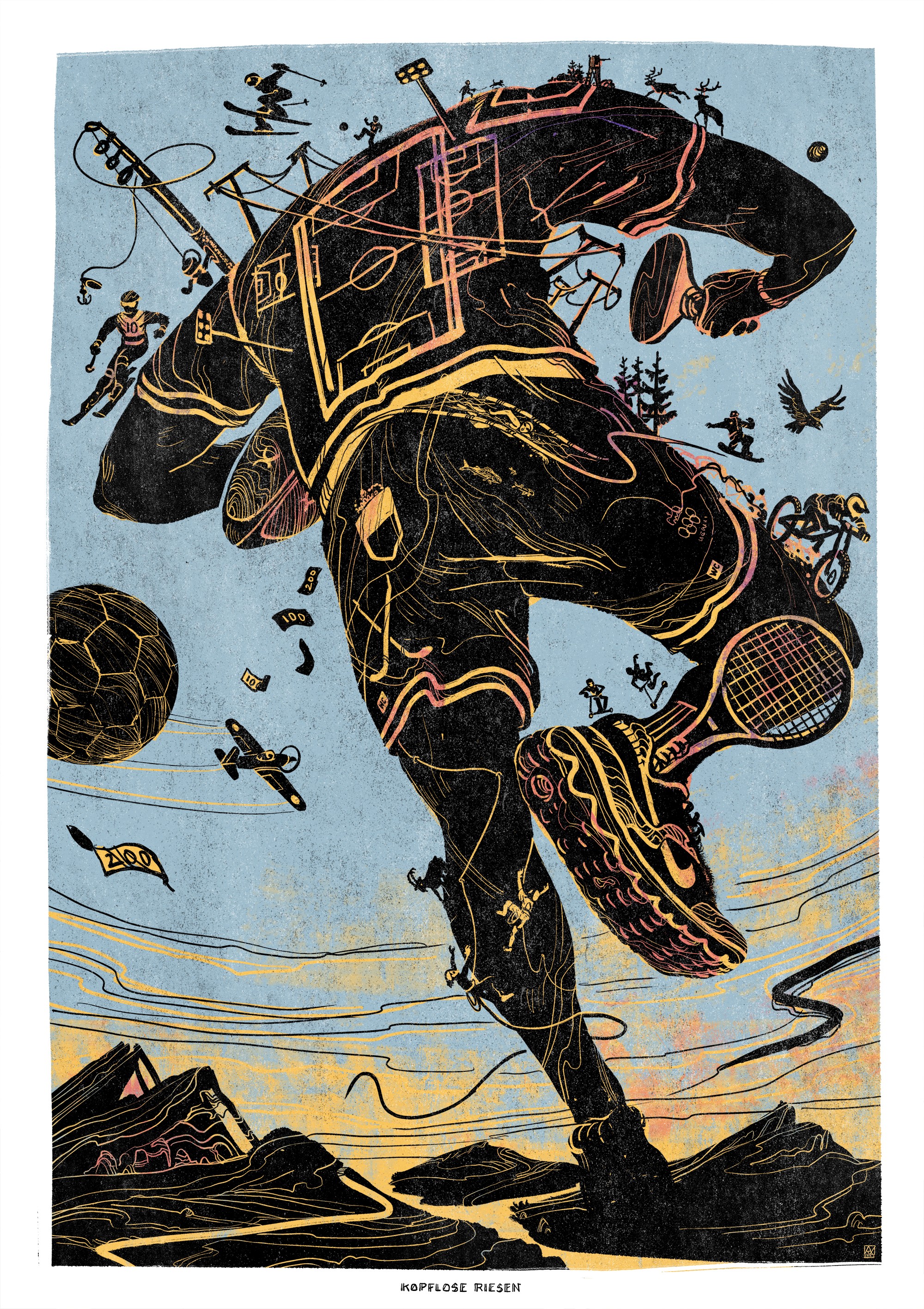
Sport Städte at the Blumenau brought together the Olympic committee, the public sport office, conservation groups and a local farmer to ask whether Liechtenstein's sport infrastructure is sized to its present, and how much landscape it should be allowed to consume. Or the other way around.
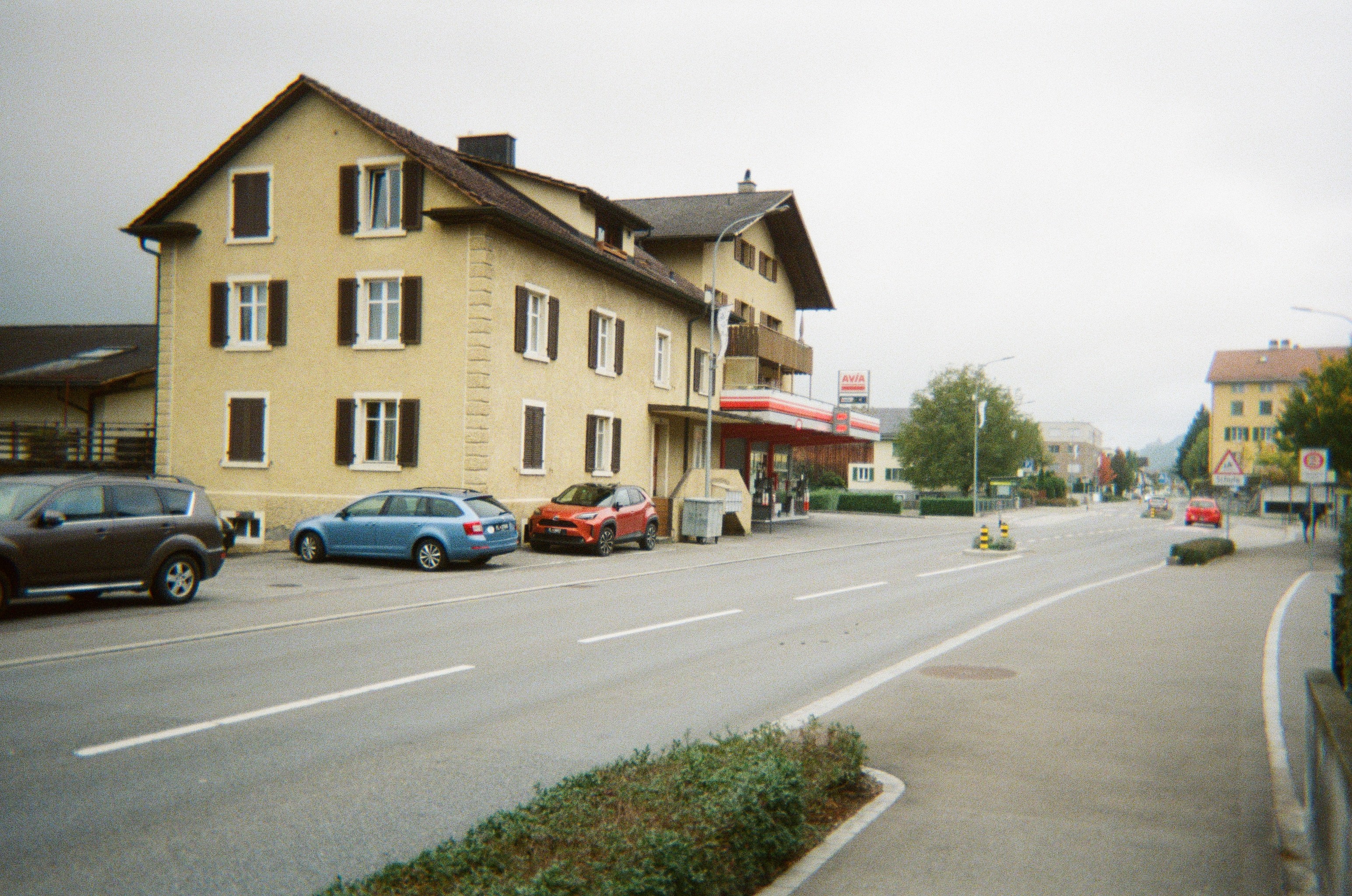
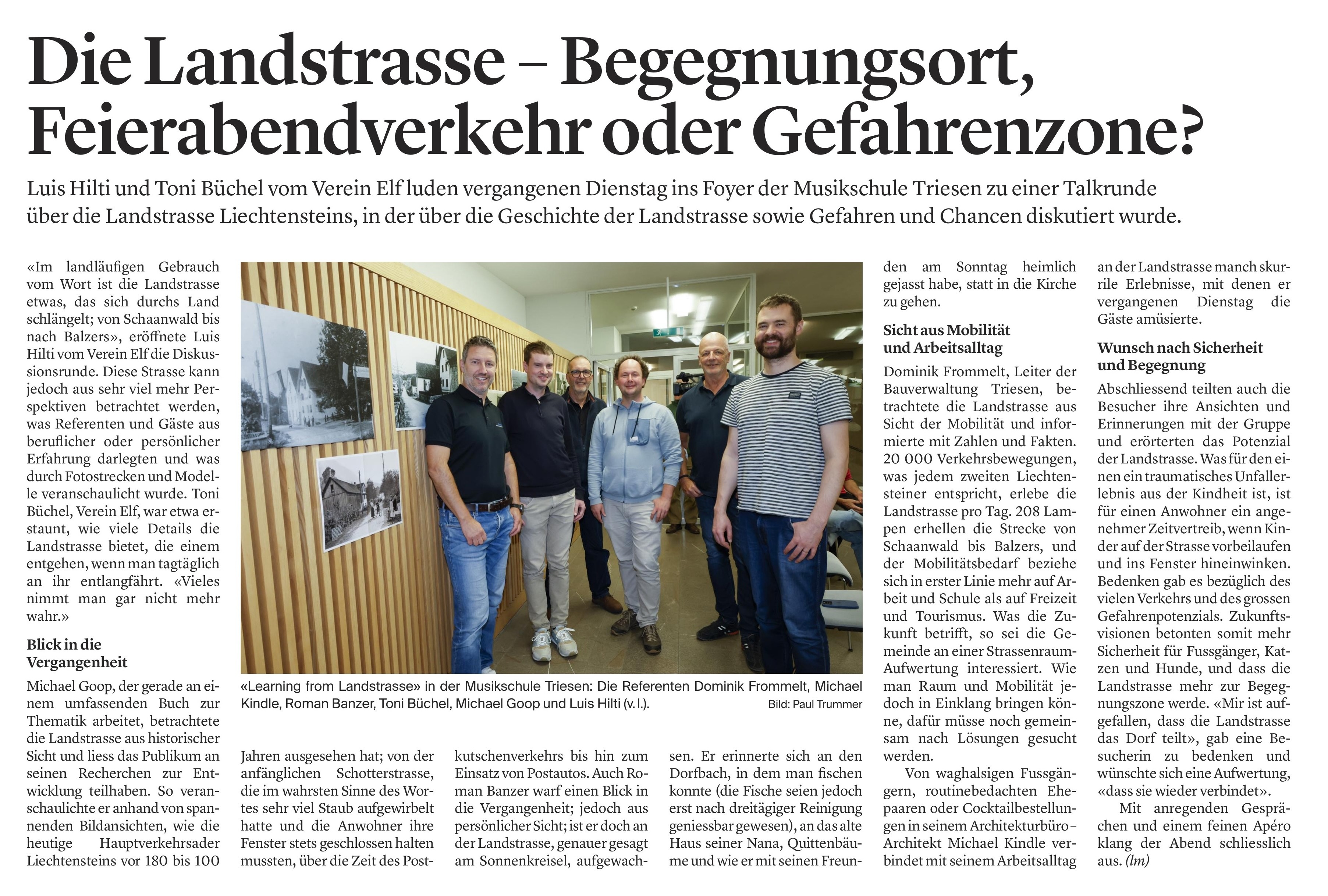
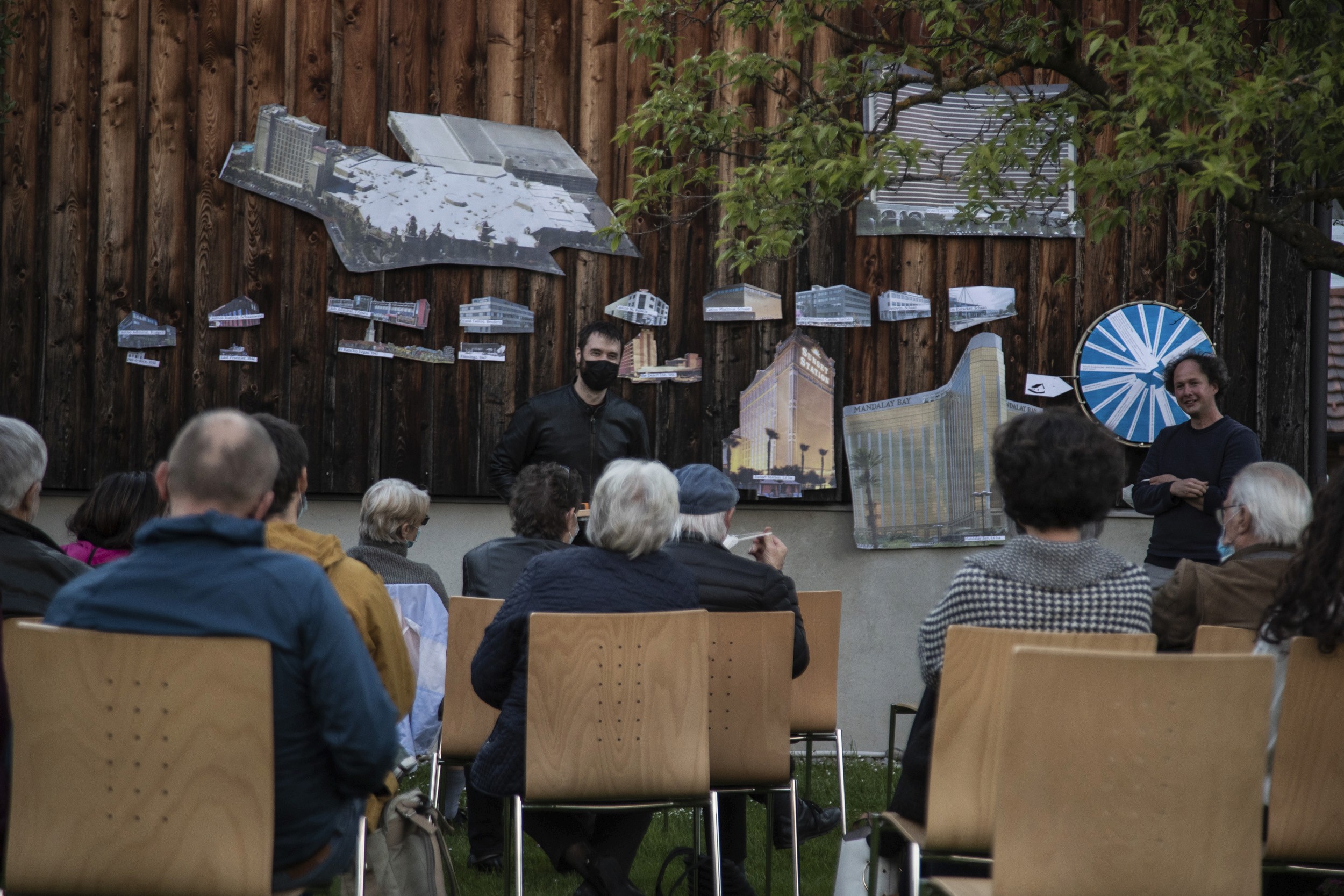
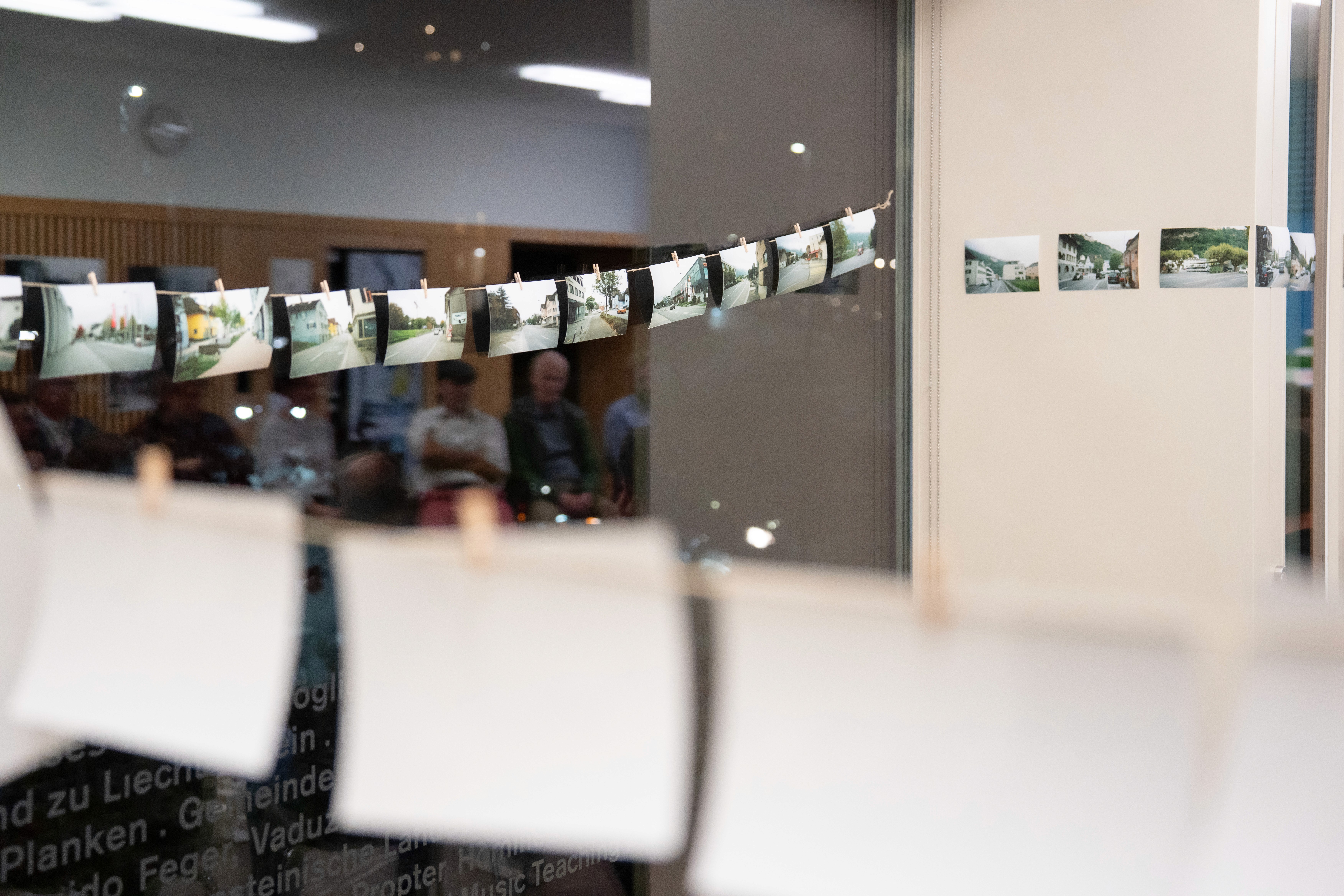
Learning from Landstrasse, in the Musikschule Triesen, took its title from Venturi and Scott-Brown's Las Vegas study. We read the country's main road as a case study rather than as a problem. A photographic survey from Schaanwald to Balzers showed the road as a string of fragments, some lively, some interrupted. Its future, we concluded, will be sectional rather than single.
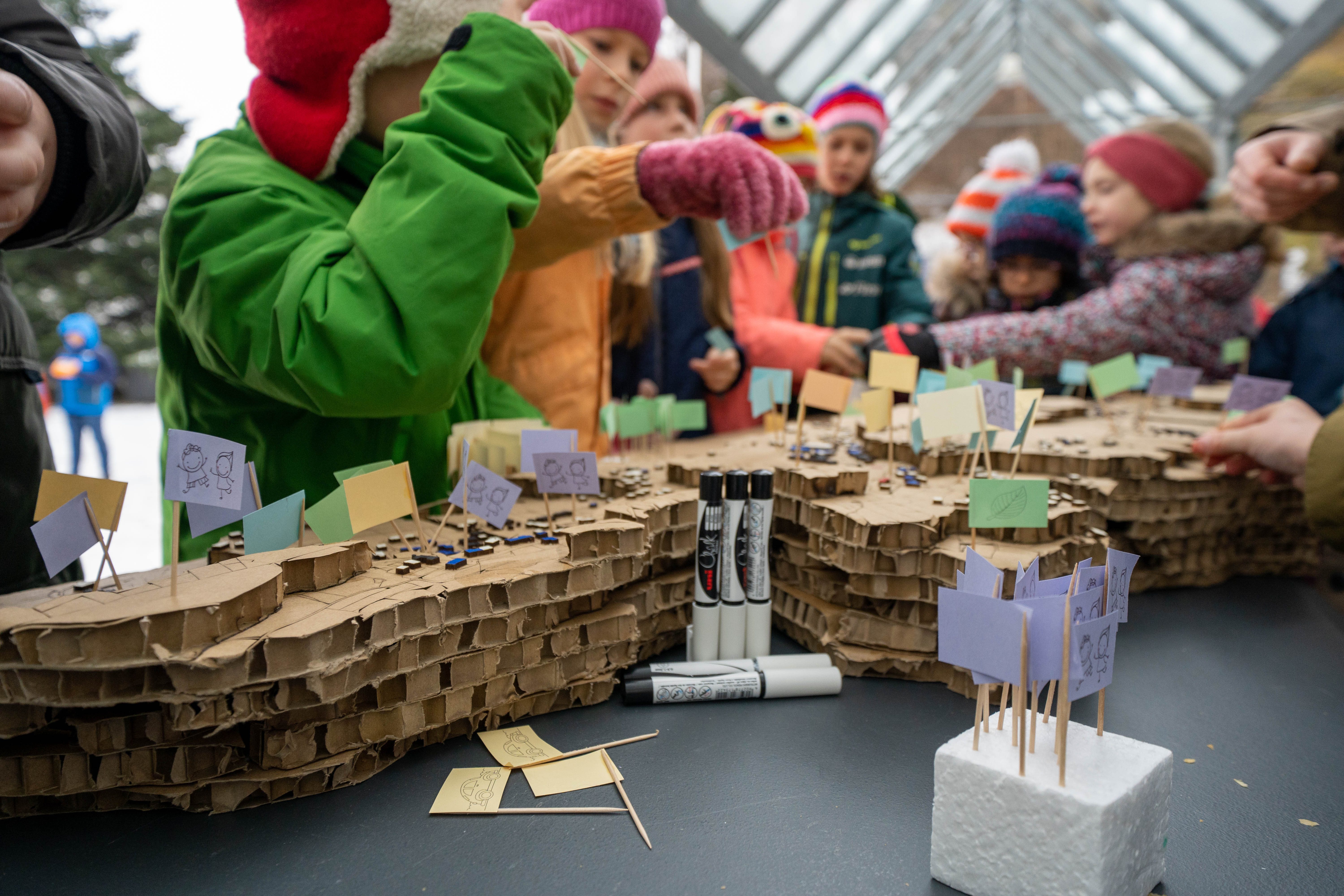
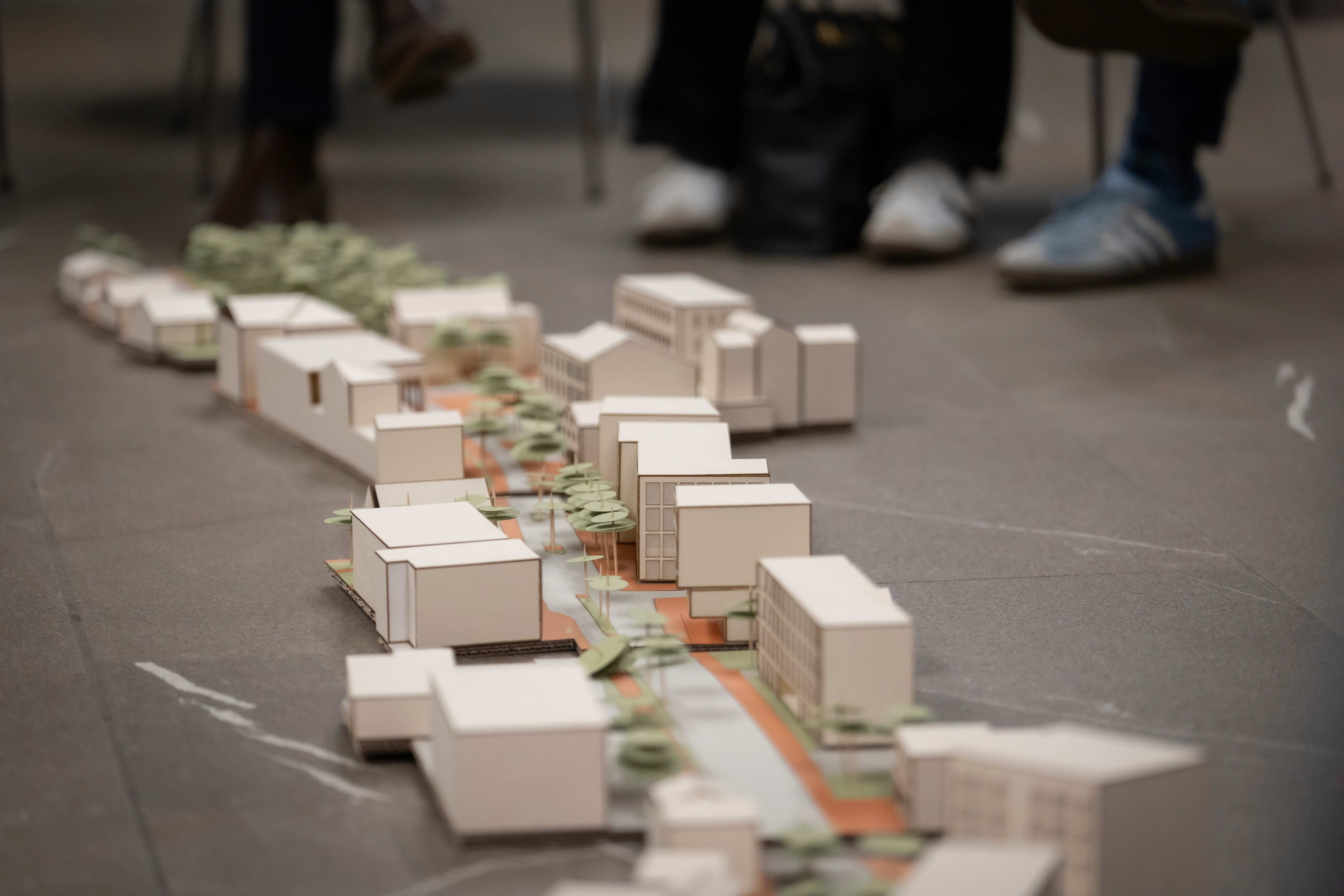
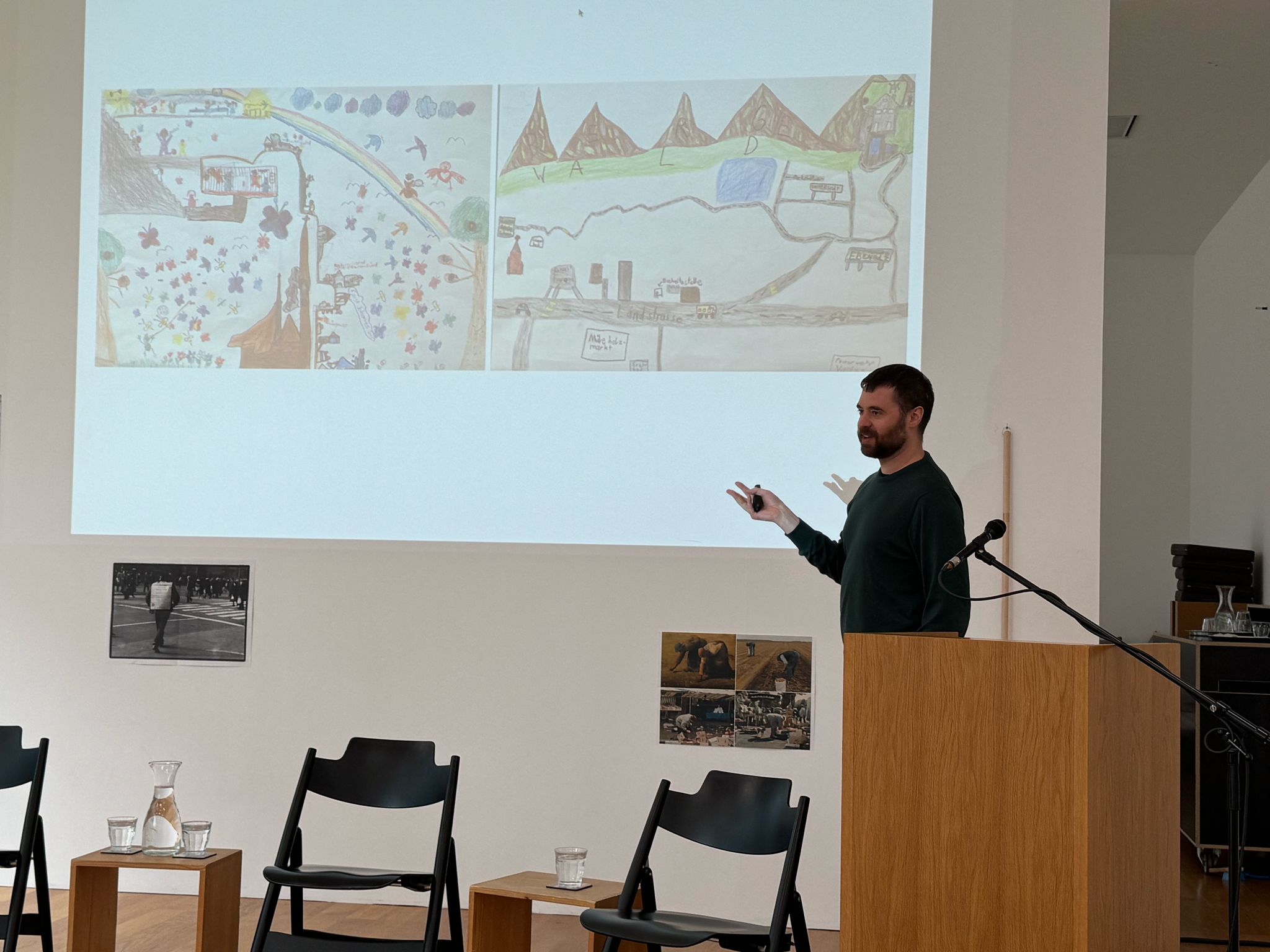
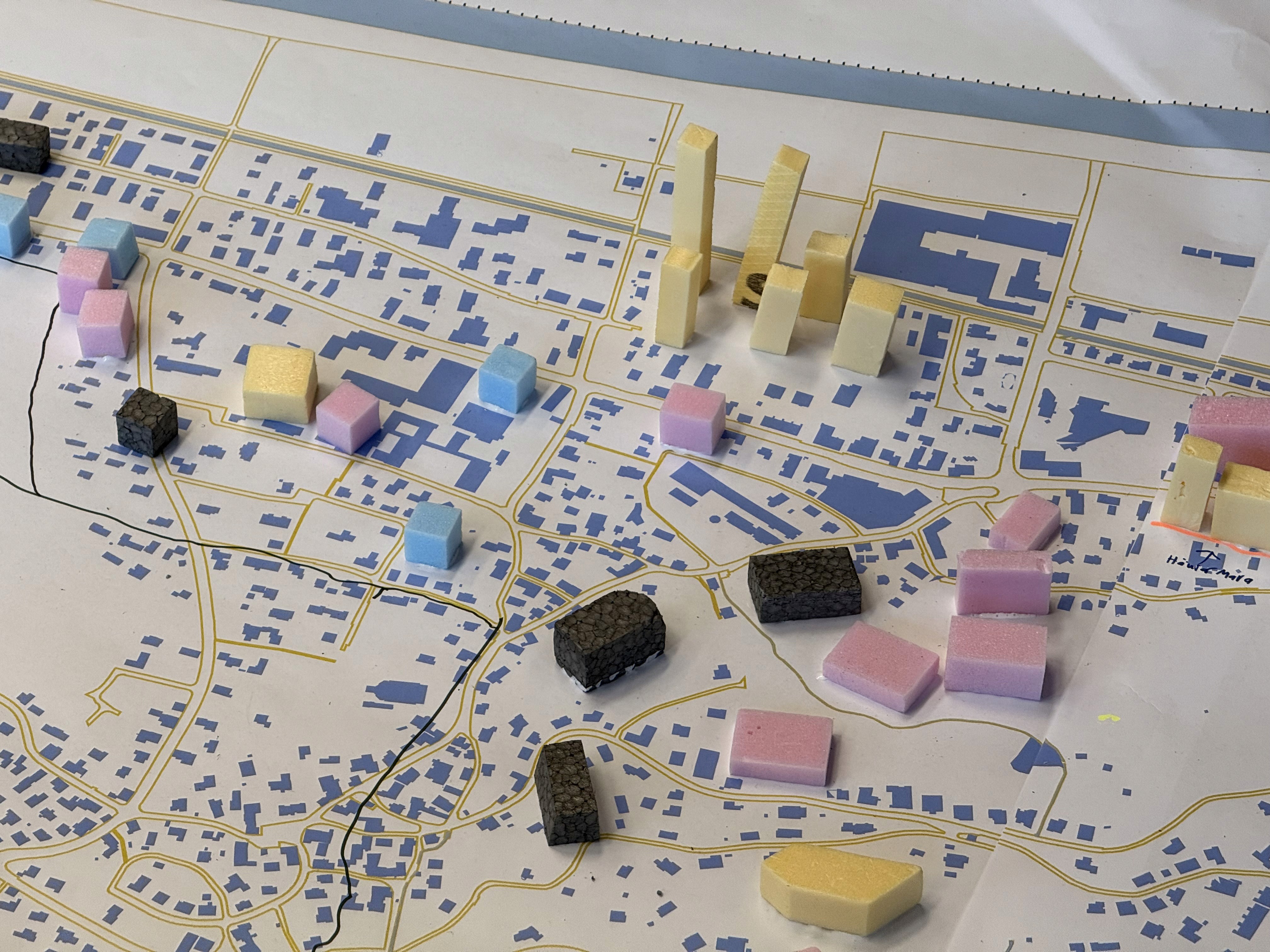
Triesen verdoppeln at the primary school continued an old workshop. Two groups of pupils developed Triesen at the model: a high-rise near the Sonnenkreisel, a homeless shelter, a KFC, while others insisted the meadows stay open. Children raised in Kyiv had no fear of density. Some local children did. A clear reminder that spatial imagination is socialised before it is taught.
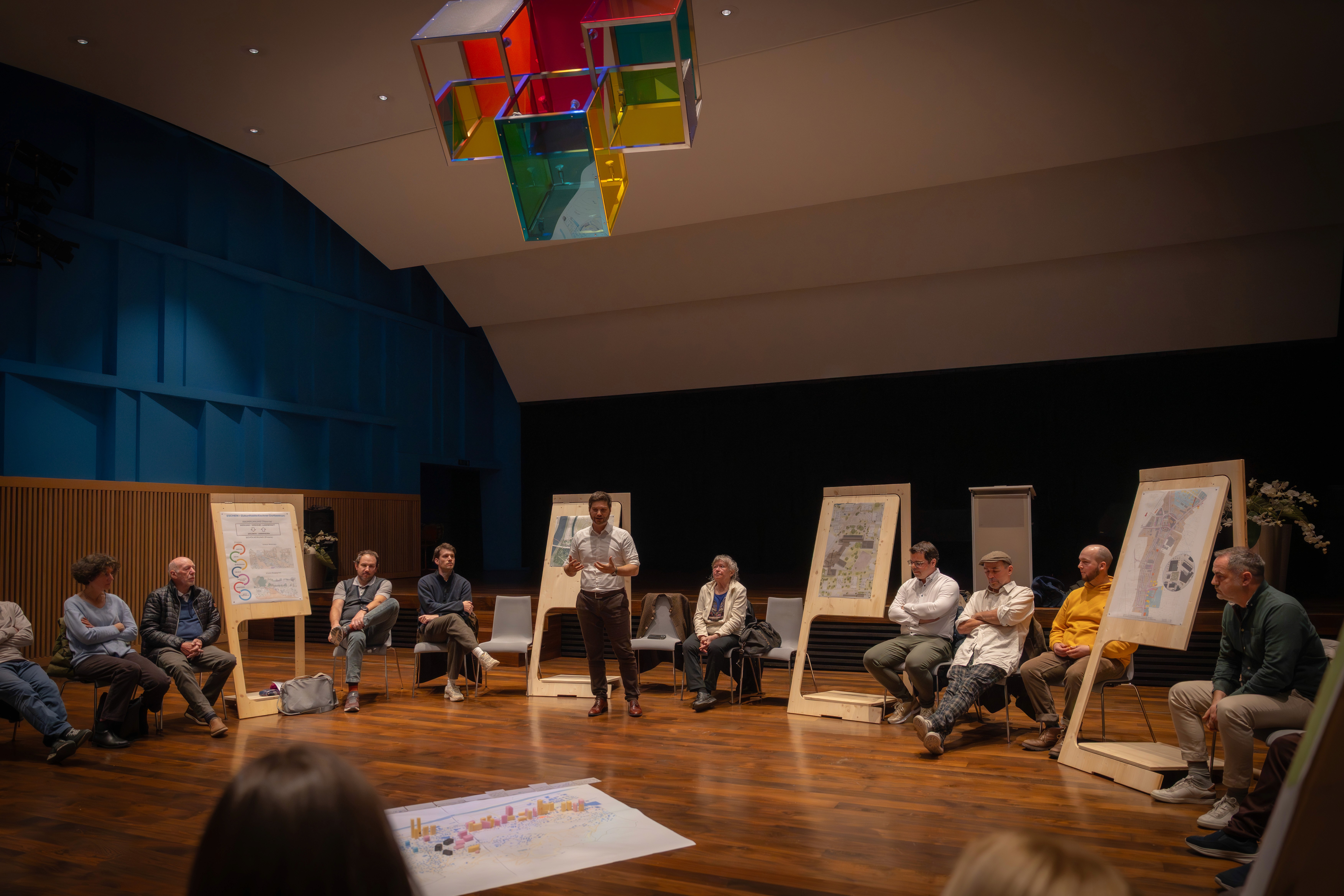
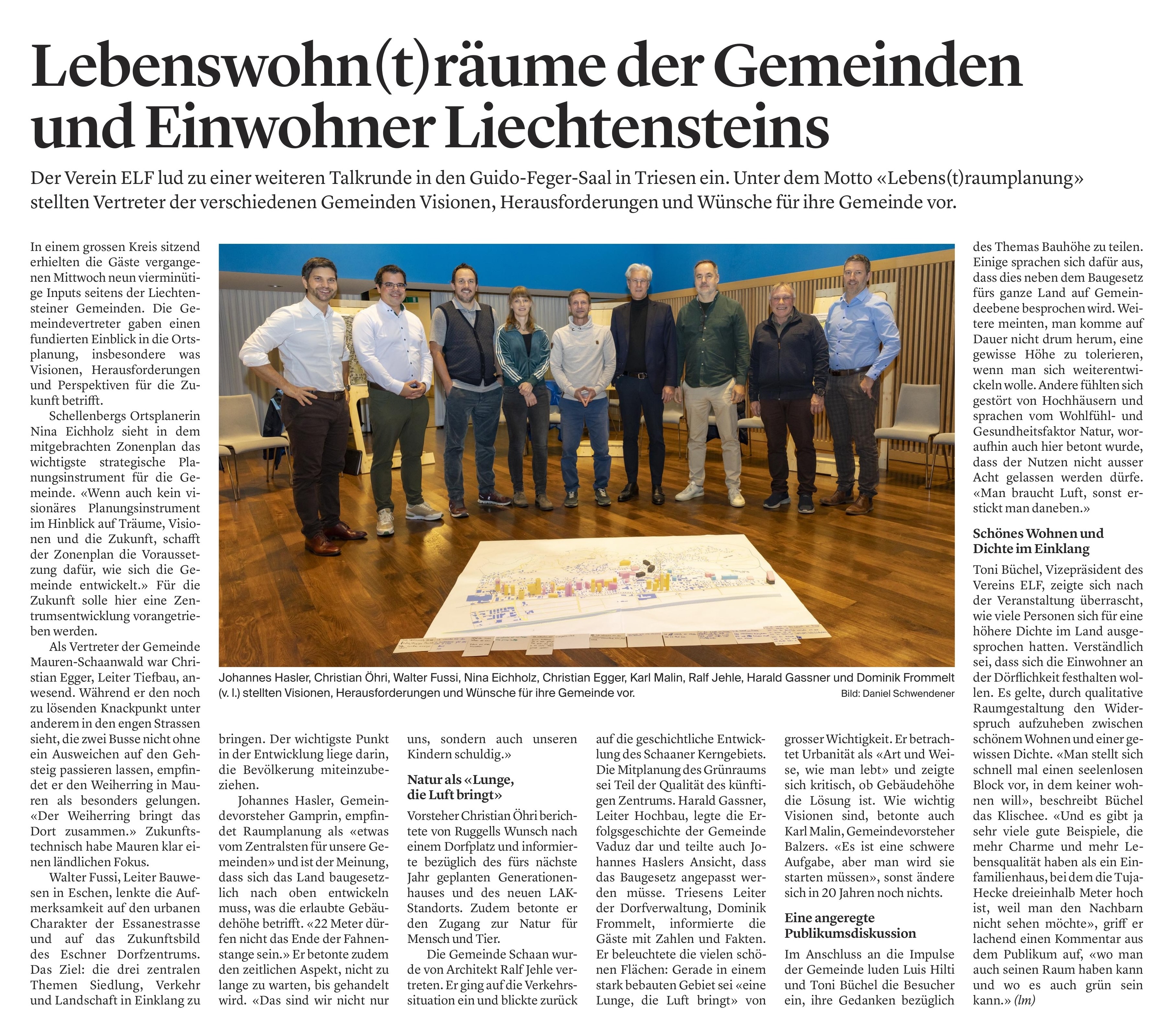
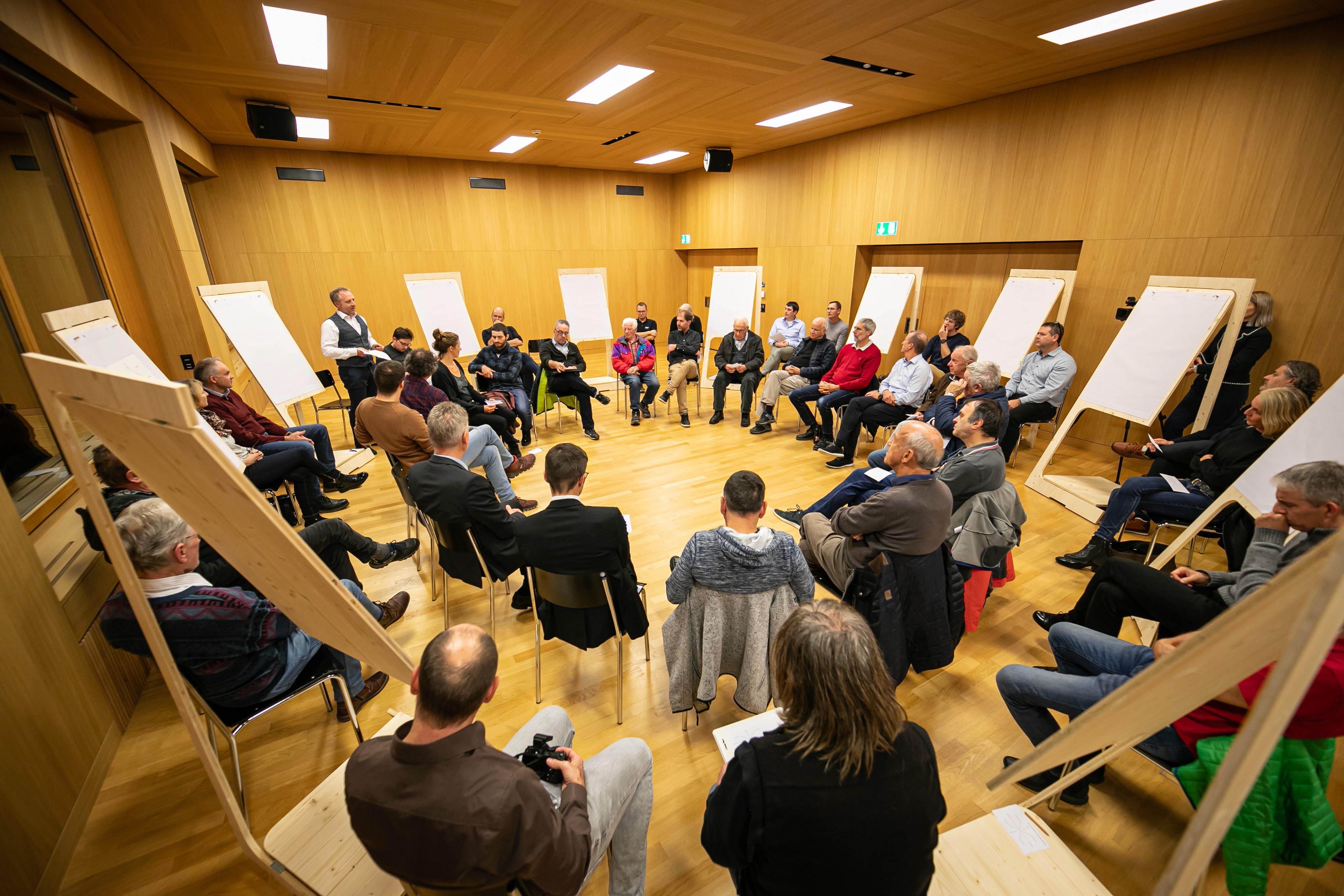
Lebenstraumplanung, a play between Lebenstraum (life-dream) and Lebensraum (living space), closed the year by gathering nine of eleven municipal delegations to discuss how planning produces futures. What ELF could once only listen in on, the project now convened.
Presse